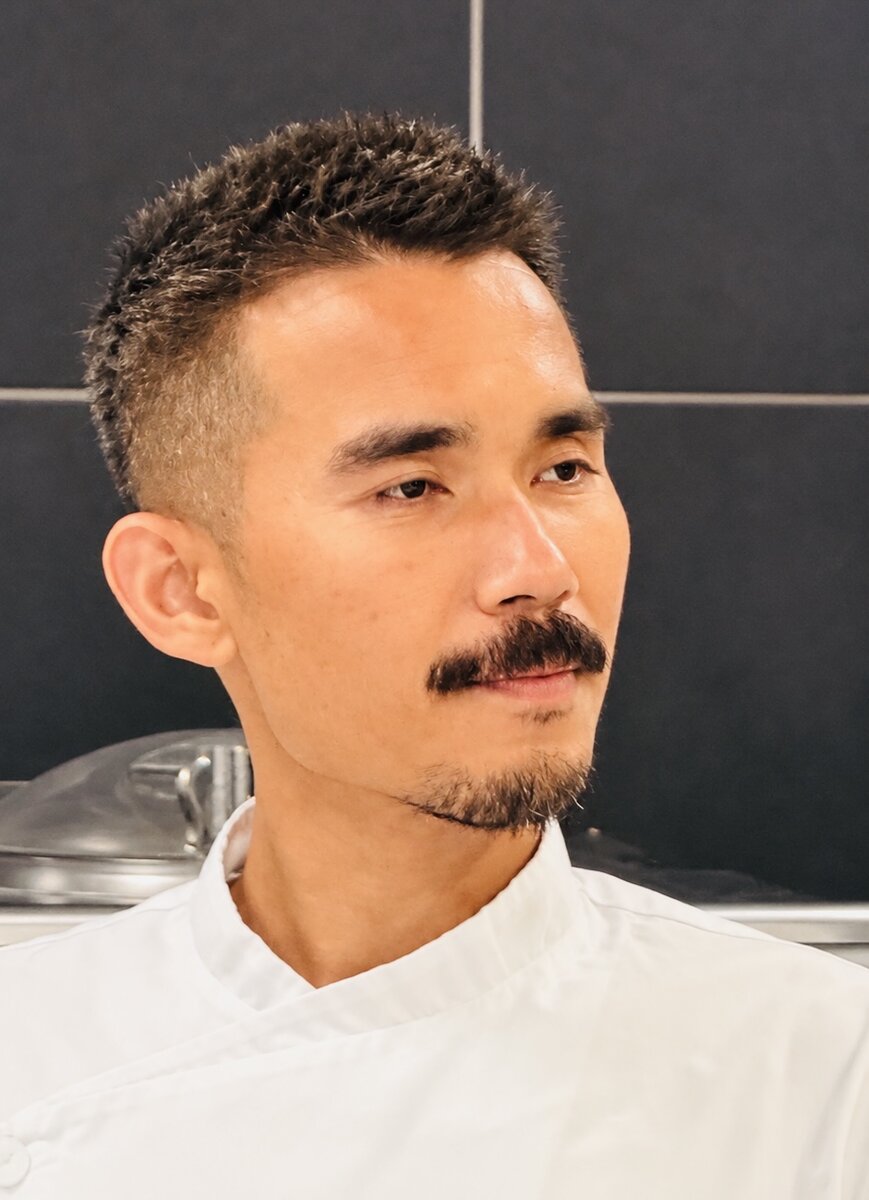
Pastry Chef Portfolio
NEI
THANG
Pastry Chef
20
Years Experience
14
Years at Aman
FR
École Ducasse

Nei Thang is a pastry chef with nearly 20 years of culinary experience and more than 14 years focused in pastry, bread and luxury hospitality production. His work is grounded in classical technique, disciplined repetition and a strong ability to anticipate problems before they affect service.
He has worked for more than 14 years at Amangiri — one of the world's most acclaimed luxury resorts — supporting multi-outlet pastry operations, VIP requests, banquet production, afternoon tea, amenities, breads and plated desserts. Repeatedly stepped in to lead the full pastry department end-to-end during staffing gaps, with no lapse in quality or production standards.
His professional identity is built around consistency, humility, patience and systems.
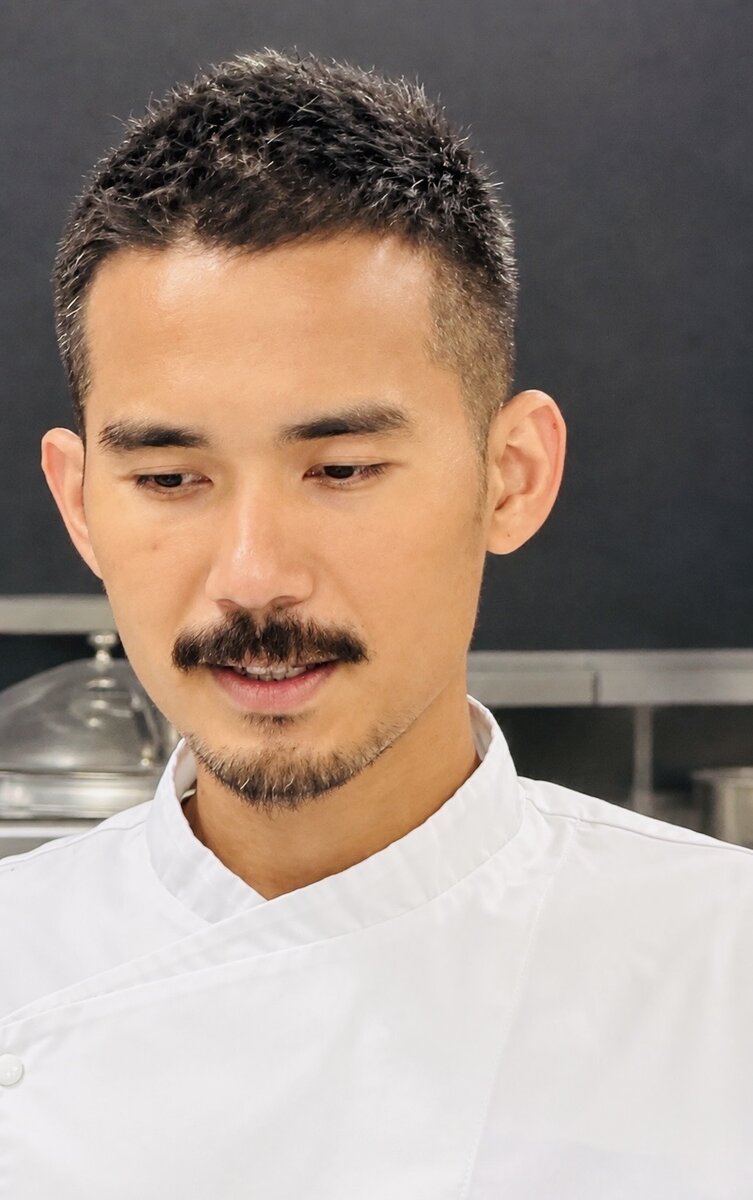

Exceptional pastry begins with mastering fundamentals. Rather than relying on excessive complexity, the focus is on technique, balance, texture and ingredient quality.
Every component should have a purpose. Every flavor should remain in balance. Luxury is not excess. Luxury is precision, consistency and thoughtful craftsmanship.

Viennoiserie is one of Nei's strongest areas. He taught himself lamination through more than a year of repeated practice while maintaining daily production responsibilities — early mornings, late nights, work on days off.


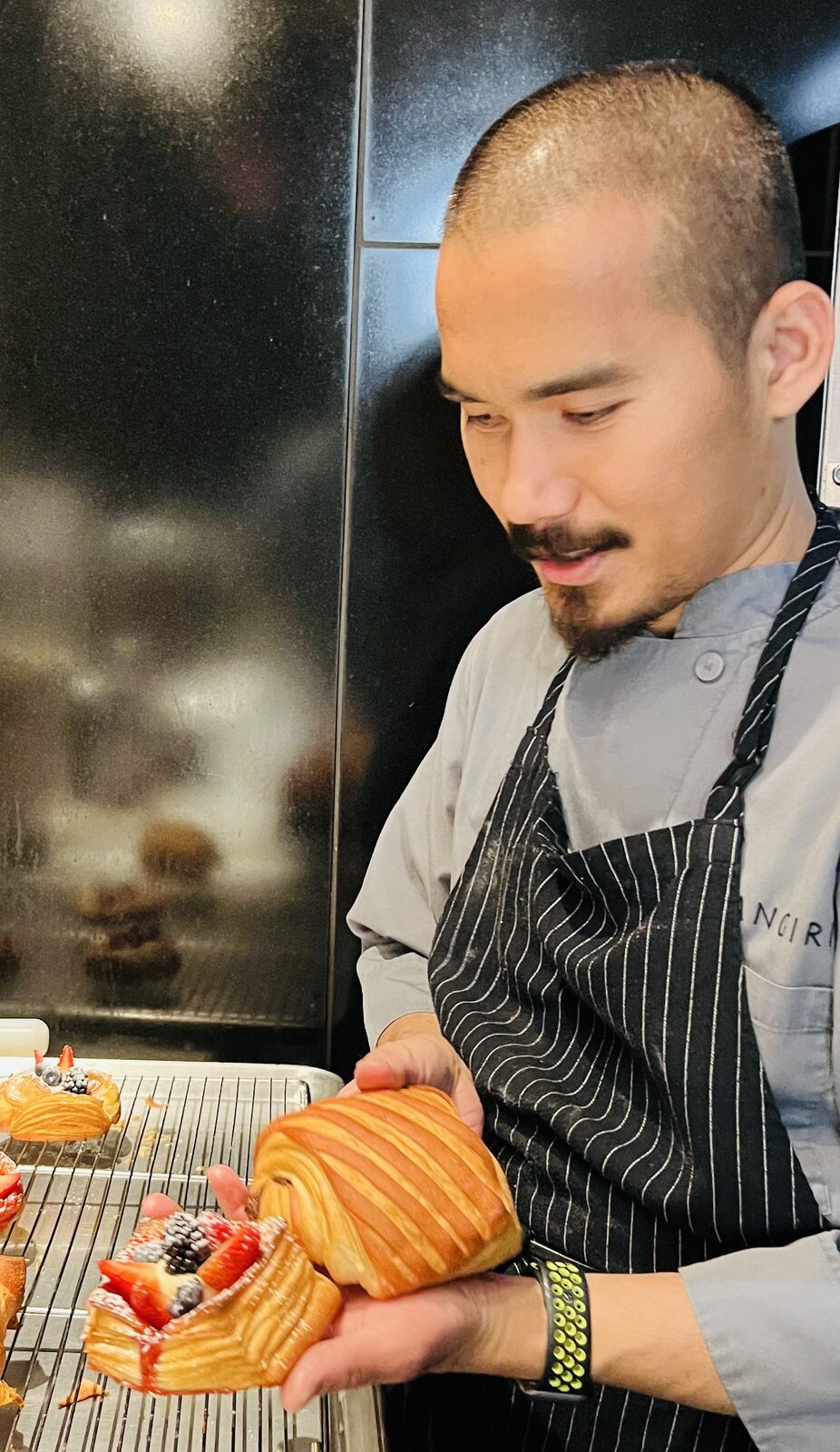









Bread represents the same professional pattern: repeated failure, patient correction, self-directed practice and eventual understanding.
The challah demonstrates clean shaping, shine and presentation. The ciabatta demonstrates high-hydration handling and fermentation control.




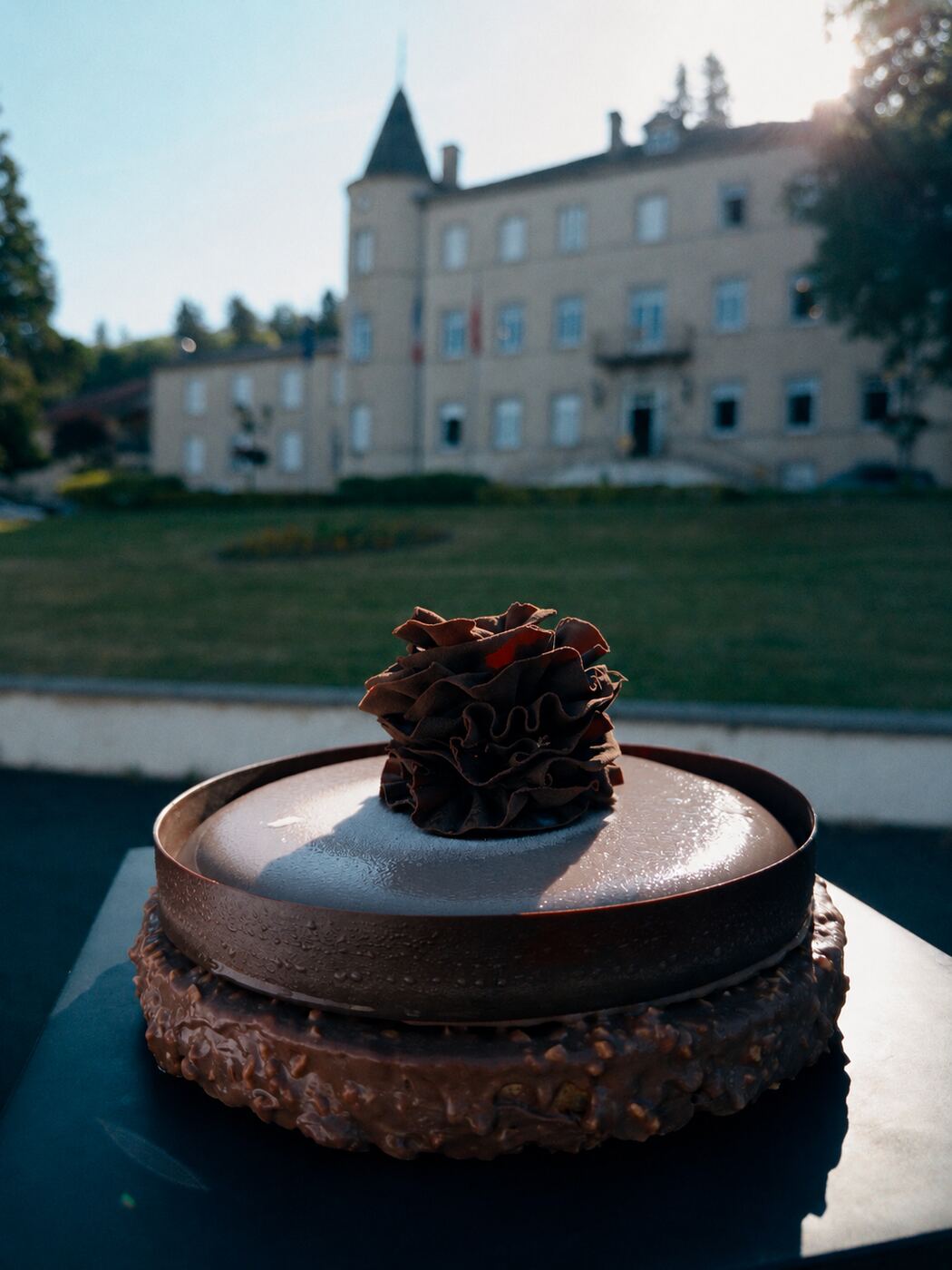
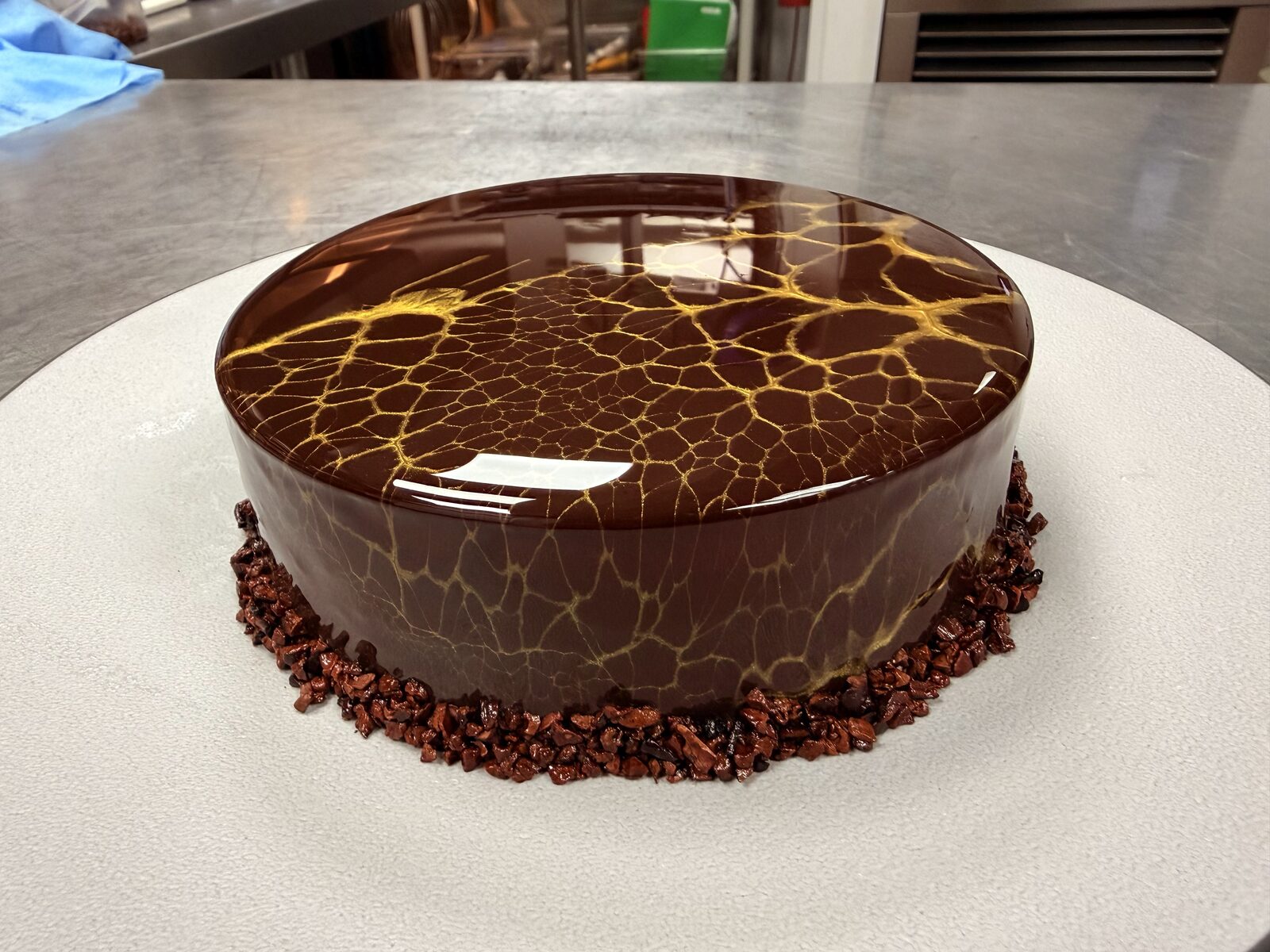



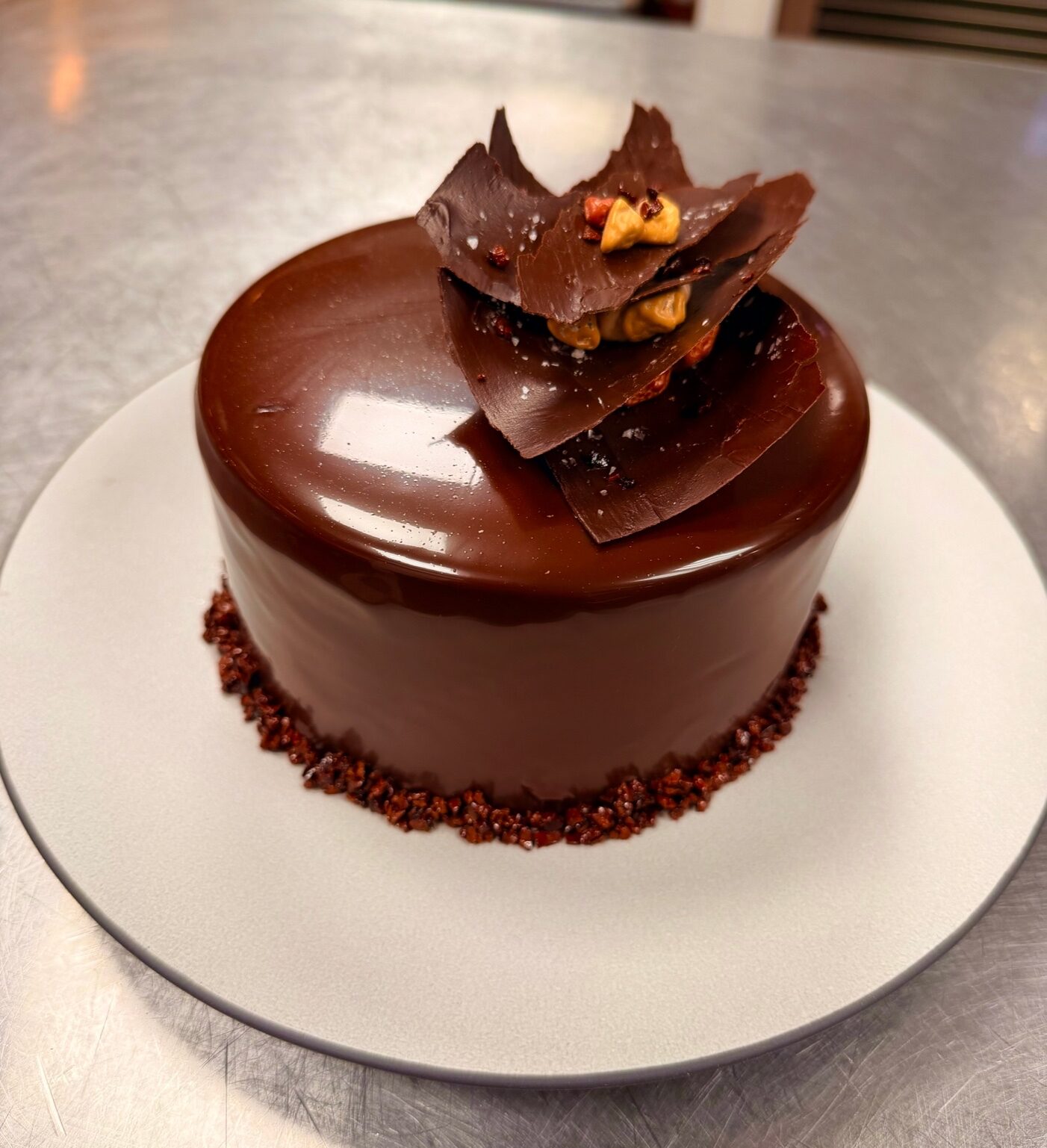

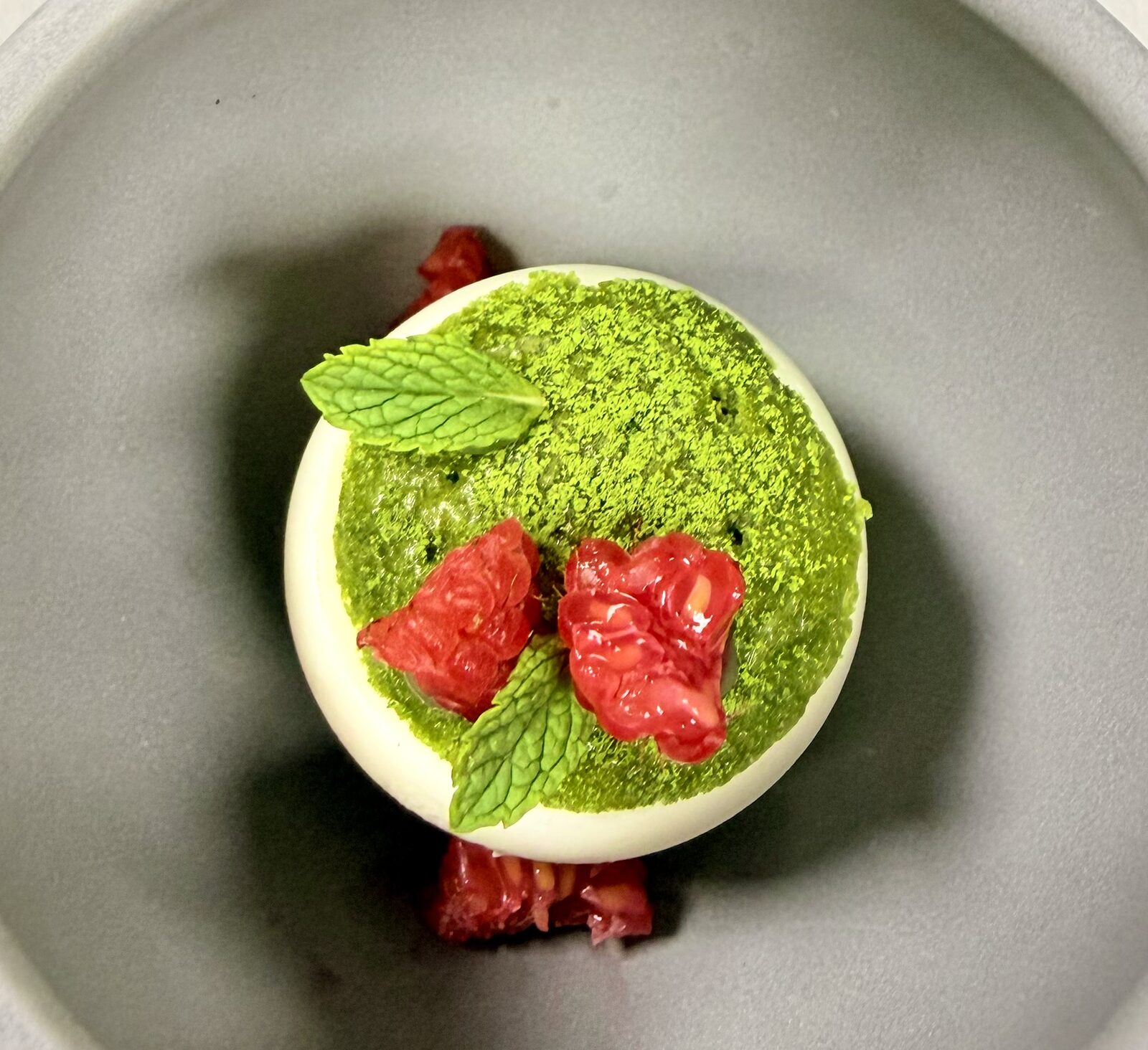

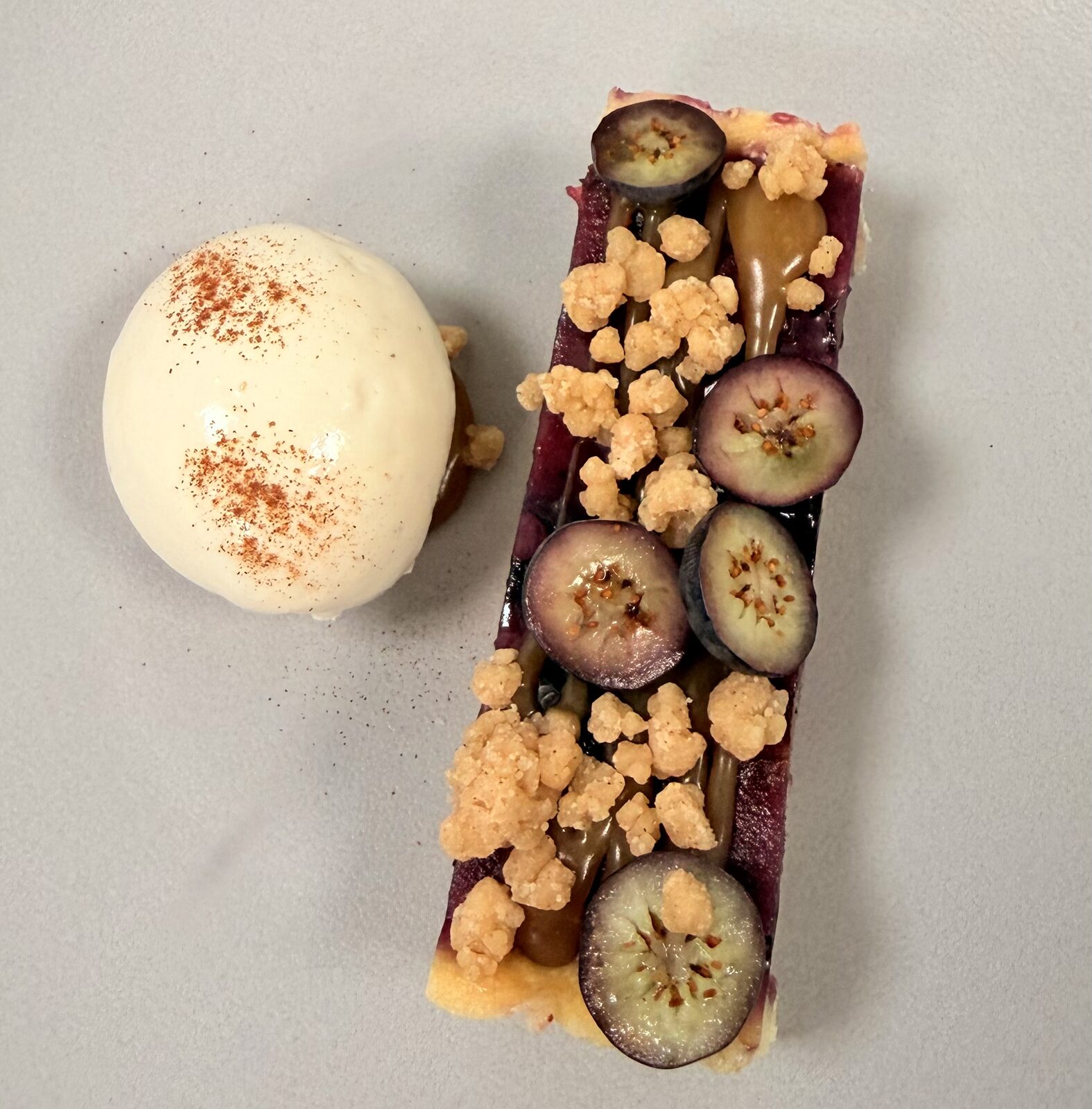
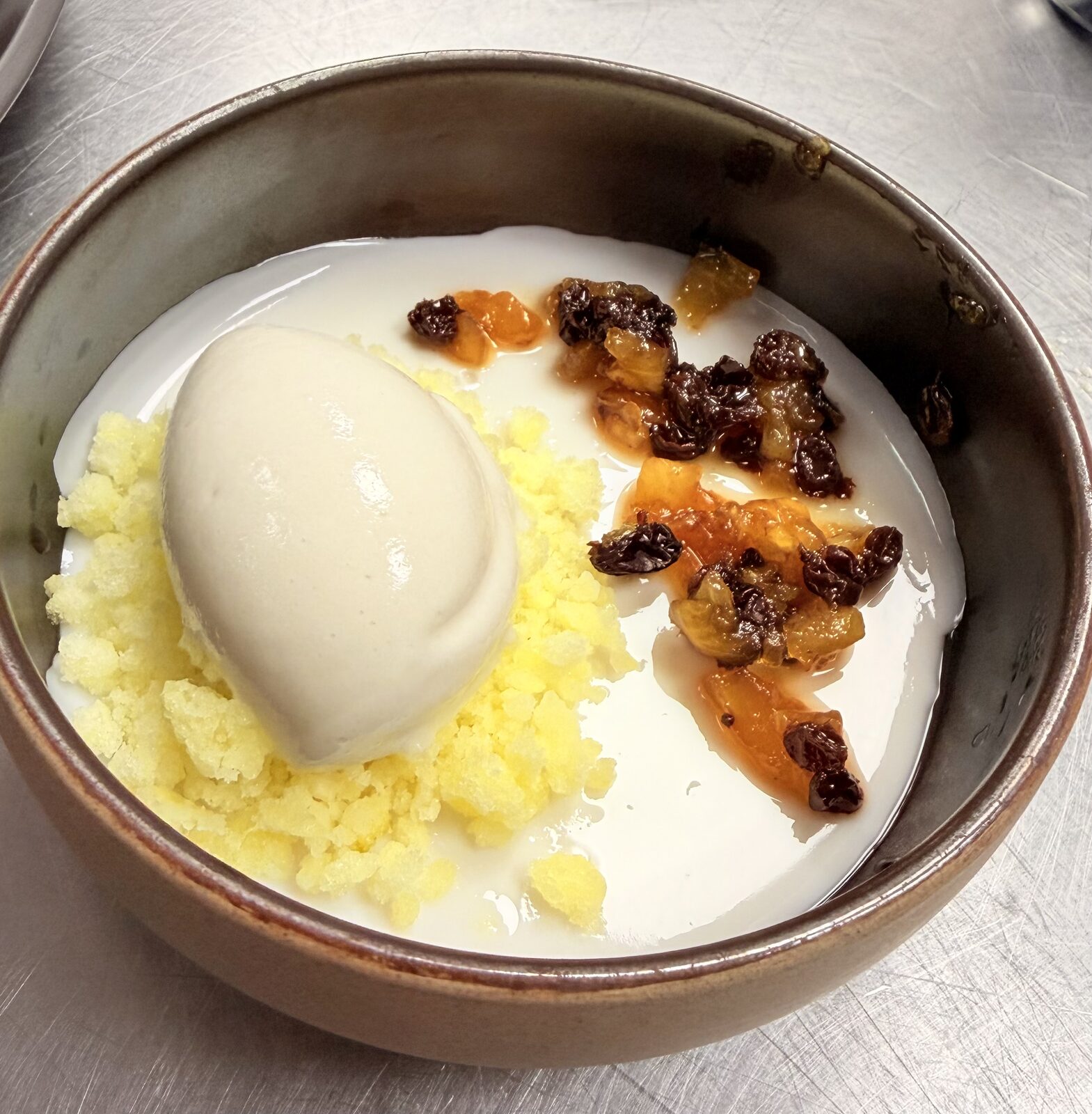
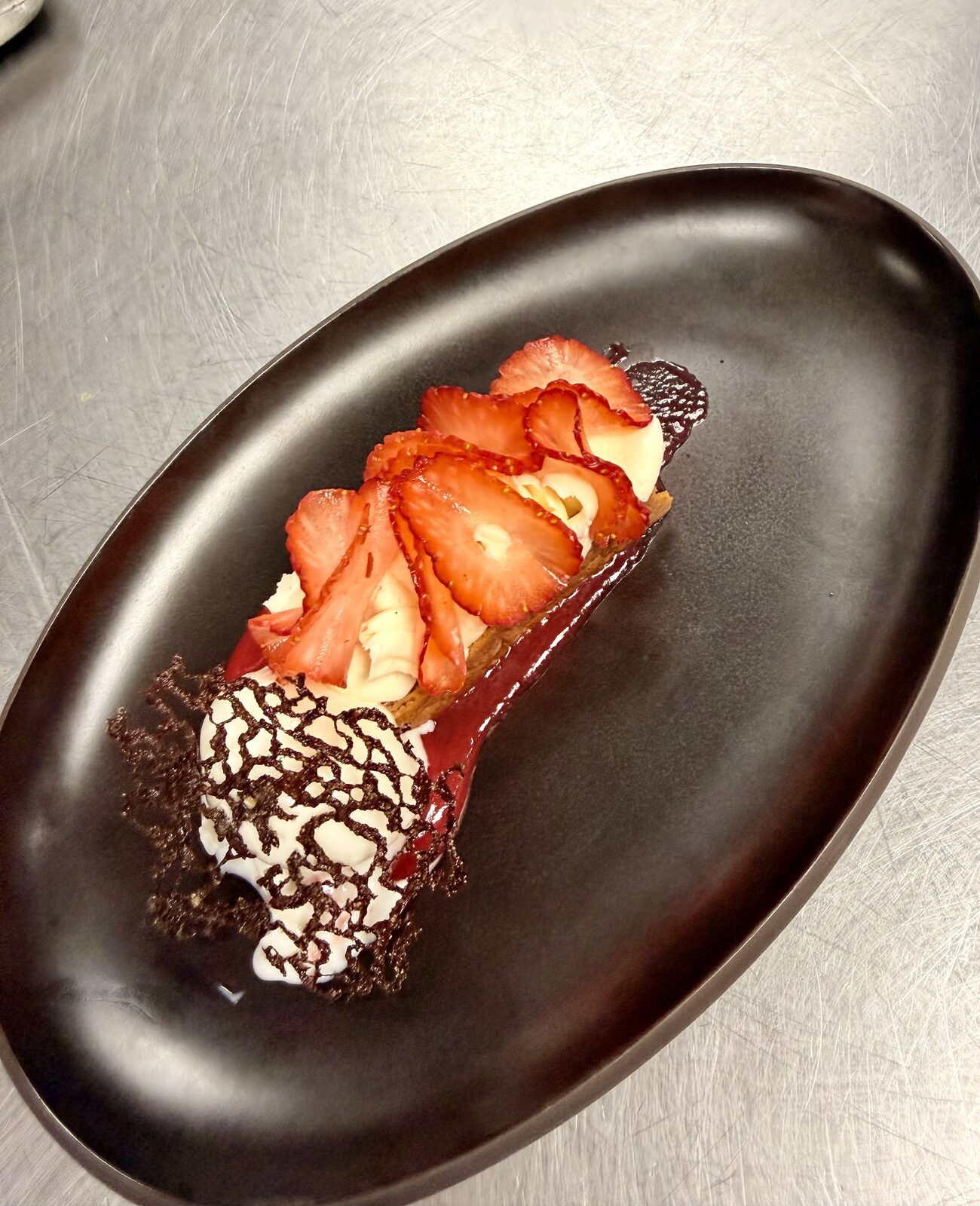
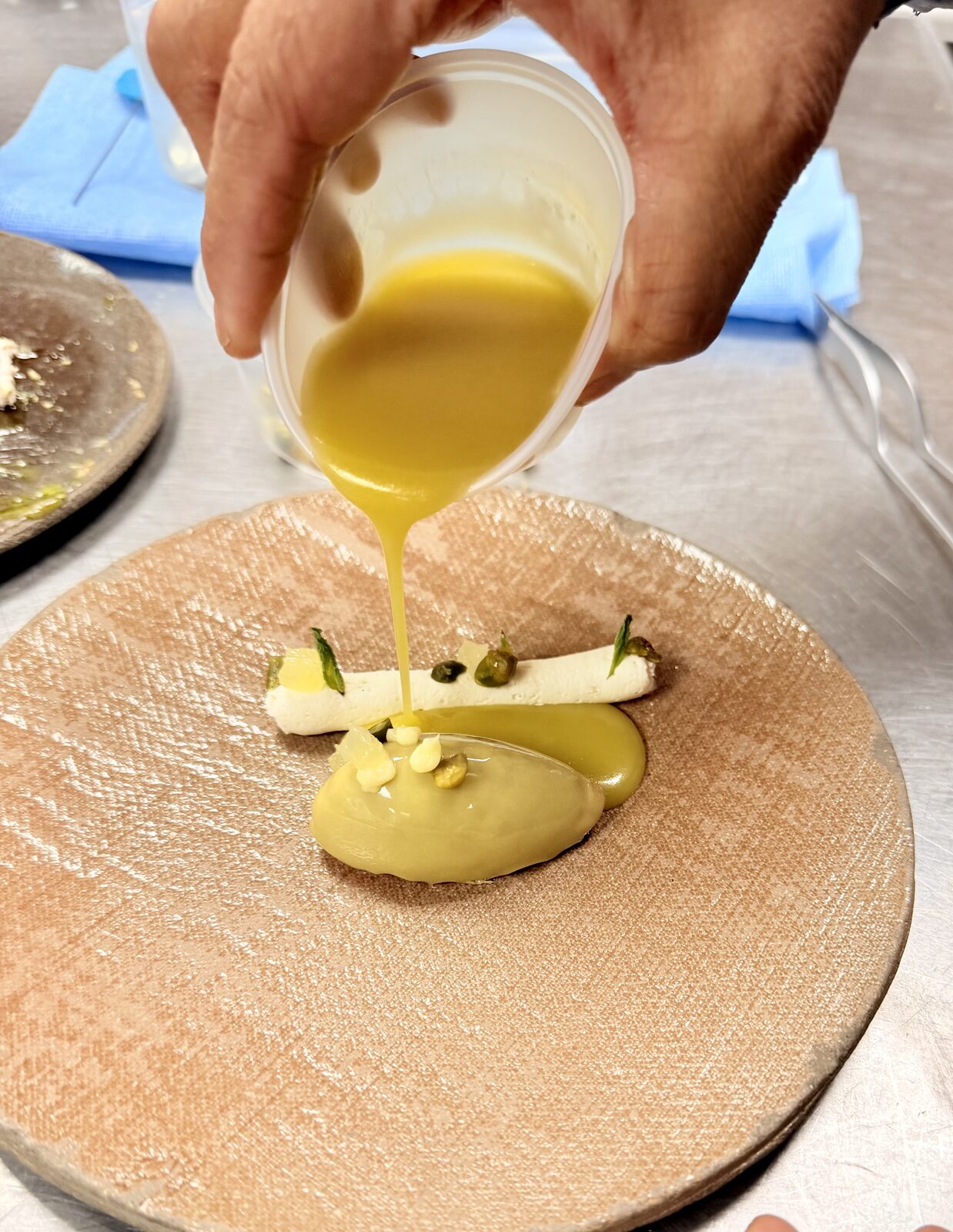







One of Nei's strongest guest-recognition moments came from an urgent vegan dessert request. With only a few hours notice, he created vegan desserts that guests described as among the best they had experienced — including compared with Michelin restaurants.





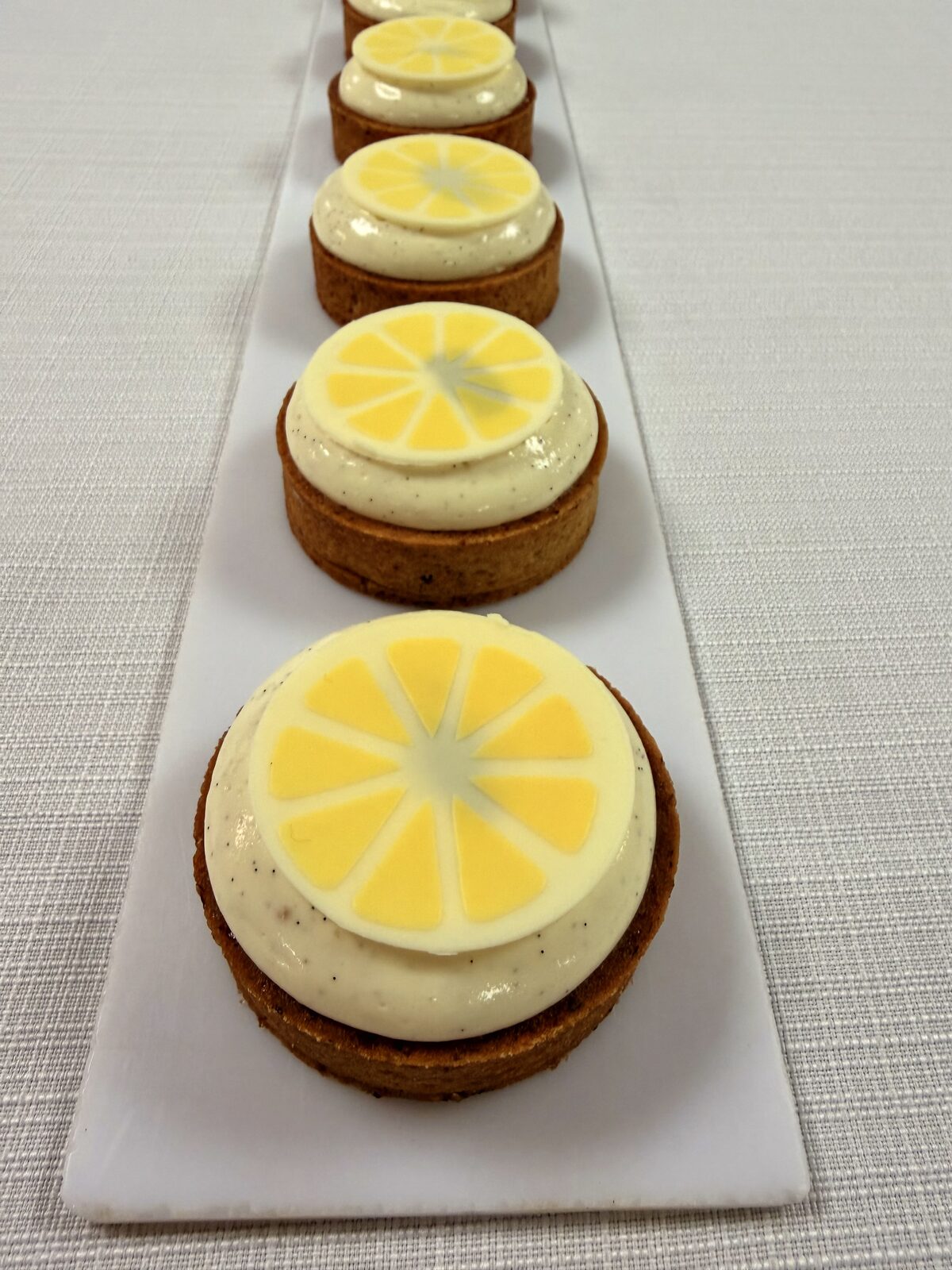
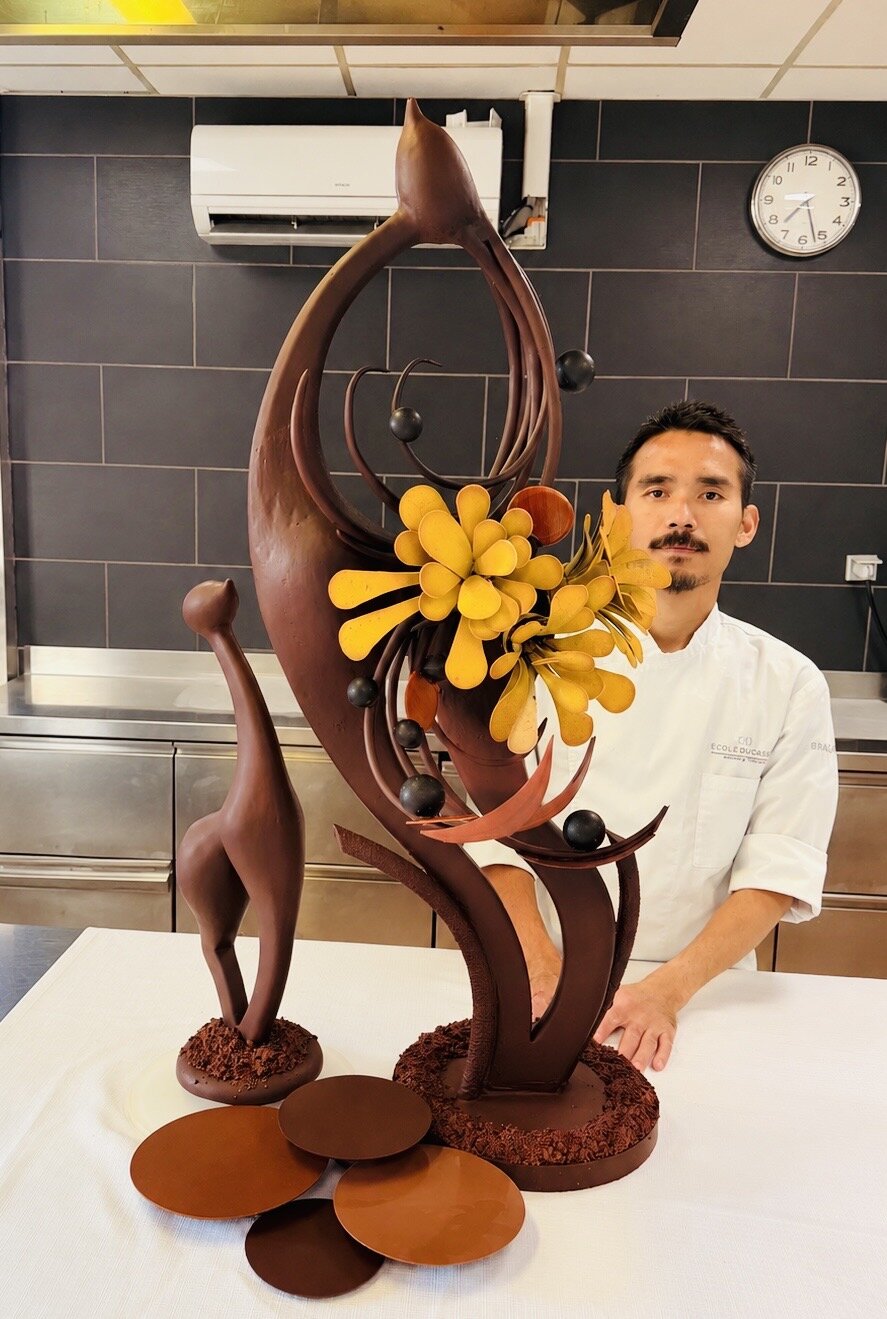
Leadership strength is operational awareness — naturally anticipating the final result, seeing where problems are likely to occur and fixing them before service is affected.
Training philosophy: teach those who are willing to learn, keep standards consistent and help people understand why technique matters.